Bhojnamrit Pure Desi Ghee Traditional Sweets
100% Pure Desi Ghee • Besan, Gond Meva & Nutritious Laddus • Pan-India Delivery
Choosing Organic vs Natural Sweets for a Diet: A Comprehensive Guide
Discover the real differences between organic and natural sweets, and learn which option is the best fit for your health and diet goals.
#1 Rated Pure Desi Ghee Sweets in Your City — Shipped Direct From Prayagraj!
2-3 Days Fast Express to Your City
Sealed moisture-proof delivery direct from Prayagraj heritage kitchens.
100% Zero Adulteration Guarantee
100% Pure Cow Desi Ghee & organic dry fruits. No palm oil or starch.
Authentic Prayagraj Taste
Slow-roasted heritage recipe untouched by factory preservatives.
For many, the hardest part of sticking to a healthy diet or lifestyle change is conquering the inevitable cravings for something sweet. When the mid-afternoon slump hits or the post-dinner desire for dessert strikes, reaching for a treat can feel like a setback. Fortunately, the health and wellness industry has responded with an abundance of better-for-you alternatives. Walk down any supermarket aisle or browse online, and you'll see labels proudly proclaiming their products as "Natural" or "Organic."
But what do these buzzwords actually mean when it comes to satisfying your sweet tooth? More importantly, if you are actively trying to manage your diet, which option should you choose? In this comprehensive guide, we will decode the differences between organic and natural sweets, helping you make informed decisions that align with your nutritional goals without sacrificing the joy of a good dessert.
Decoding "Natural" Sweets
Buy now and taste the authentic tradition of Prayagraj!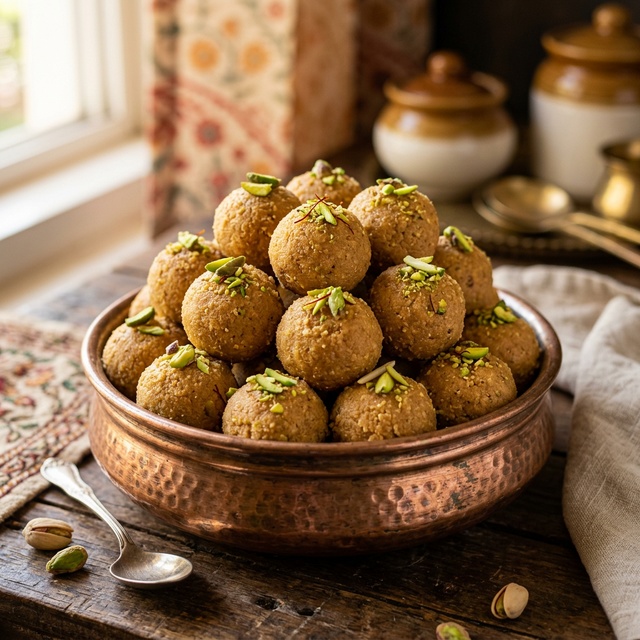
Besan Laddu
The term "natural" is incredibly common in the food industry, but it is also one of the most misunderstood. Generally, when a sweet is labeled as natural, it implies that the product does not contain artificial flavors, artificial colors, or synthetic preservatives. The ingredients are derived from nature—such as real fruit, honey, maple syrup, or raw cane sugar—rather than being created in a laboratory.
However, it is crucial to understand that the term "natural" is not strictly regulated in many parts of the world. A "natural" sweet might still undergo significant processing. For instance, high-fructose corn syrup can technically be argued as natural because it originates from corn, yet it is highly processed and something many health-conscious dieters try to avoid.
When choosing natural sweets, the key is to look at the ingredient list. The best natural sweets are those made with whole, minimally processed ingredients. Think of sweets sweetened with dates, monk fruit, or stevia, and colored with beetroot powder or turmeric instead of Red 40 or Yellow 5. These sweets offer a way to indulge while avoiding synthetic chemicals, but they do not guarantee that the farming practices used to grow the ingredients were free of pesticides or chemical fertilizers.
Buy now and taste the authentic tradition of Prayagraj!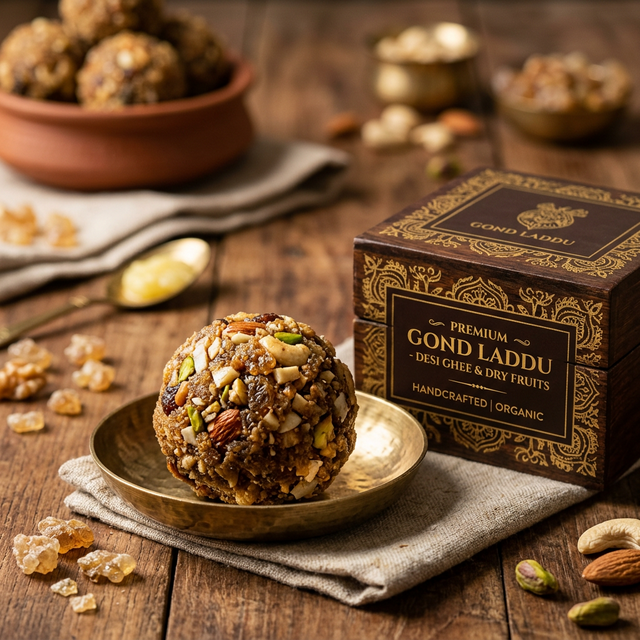
Gond Meva Laddu
Unpacking "Organic" Sweets
"Organic" is a term that carries much more regulatory weight than "natural." When a sweet is certified organic, it means the ingredients were grown and processed according to strict agricultural guidelines. Organic farming practices prohibit the use of synthetic pesticides, petroleum-based fertilizers, sewage sludge-based fertilizers, and genetically modified organisms (GMOs).
For a sweet to wear an organic seal, not only must the primary ingredients (like sugar, cocoa, or flour) be grown organically, but the manufacturing process must also adhere to specific standards that prevent contamination with non-organic substances.
Buy now and taste the authentic tradition of Prayagraj!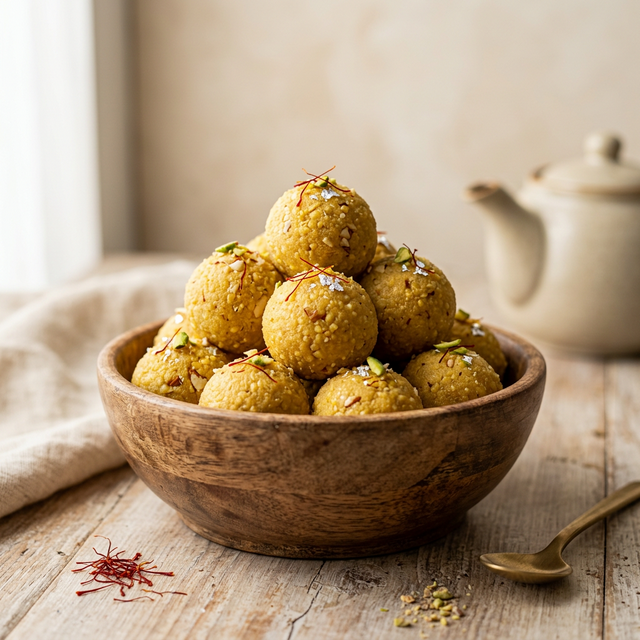
Moong Dal Laddu
The benefits of choosing organic sweets extend beyond your personal diet; they also support sustainable farming practices that are better for the soil, water, and environment. From a dietary perspective, organic sweets minimize your exposure to potentially harmful chemical residues. If you are eating sweets made from organic fruits, dairy, or grains, you are getting the purest version of those ingredients.
Head-to-Head: Which is Better for Your Diet?
When it comes to choosing between organic and natural sweets for a diet, the "better" choice depends heavily on what your specific dietary goals are.
Buy now and taste the authentic tradition of Prayagraj!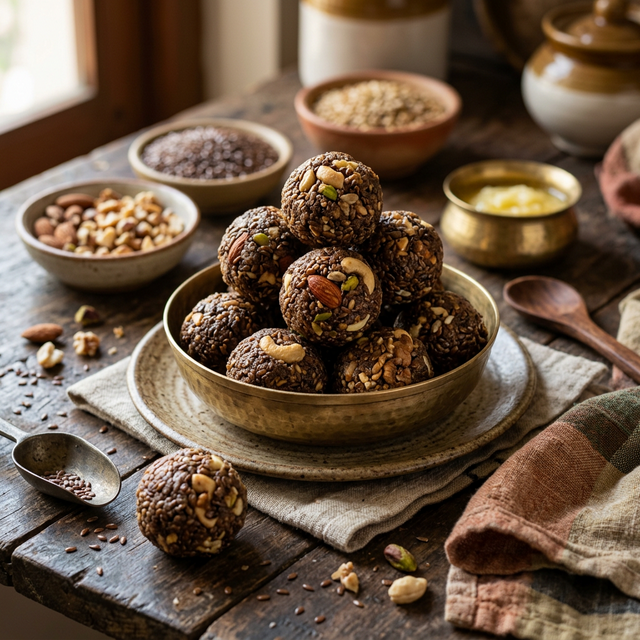
Alasi Laddu
1. If Your Goal is Clean Eating and Toxin Reduction
If your diet is focused on "clean eating" and you want to reduce your intake of synthetic chemicals, pesticides, and GMOs, organic sweets are the clear winner. Because the organic label is strictly regulated, it provides peace of mind that the treat you are enjoying was produced without harsh chemicals. This is particularly important for ingredients like dairy, berries, and cocoa, which are known to carry higher pesticide loads in their conventional forms.
2. If Your Goal is Minimizing Artificial Additives
If your primary concern is simply avoiding artificial food dyes, synthetic flavors, and chemical preservatives, natural sweets are a great choice. They are often more accessible and can be slightly more budget-friendly than their organic counterparts. Just remember to flip the package over and read the ingredient list carefully. A short, recognizable list of ingredients is the hallmark of a high-quality natural sweet.
3. If Your Goal is Weight Loss or Calorie Management
Here is the ultimate truth that every dieter needs to hear: organic sugar is still sugar, and natural calories are still calories. Whether a sweet is organic or natural, it can still be high in calories, fats, and simple carbohydrates. If your diet involves a caloric deficit for weight loss, neither "organic" nor "natural" labels give you a free pass to overindulge. You must still practice portion control and be mindful of your overall macronutrient intake.
Buy now and taste the authentic tradition of Prayagraj!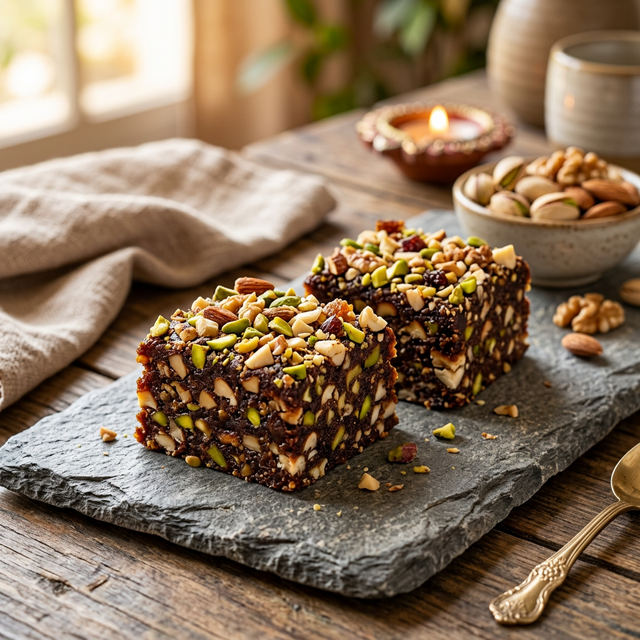
Date Meva Laddu
How to Incorporate Sweets into a Healthy Lifestyle
The most sustainable diets are those that allow for occasional indulgence. Completely depriving yourself of sweets often leads to bingeing later on. Instead, practice mindful eating. Choose high-quality sweets—whether natural or organic—and savor them slowly.
When looking for the perfect traditional treat to satisfy your cravings while honoring a commitment to quality ingredients, Babaji Achar offers a wonderful selection of authentic sweets. Rooted in tradition and crafted with care, our sweets reflect the rich culinary heritage that prioritizes genuine taste and quality. By selecting sweets made with care and authentic recipes, you can enjoy the richness of traditional flavors without the guilt of heavily processed, artificial junk food.
Conclusion
Both organic and natural sweets have their place in a balanced diet. Natural sweets offer a great escape from artificial additives, provided you read the labels carefully. Organic sweets take it a step further by ensuring the ingredients are grown without synthetic pesticides and GMOs, offering the cleanest possible indulgence.
Ultimately, the best choice for your diet is the one that aligns with your health philosophy, fits within your nutritional needs, and genuinely satisfies your craving. Enjoy your sweets mindfully, celebrate the quality of the ingredients, and remember that a healthy lifestyle is all about balance, not perfection.
Want to Taste the Pure Tradition?
Handcrafted 100% Pure Desi Ghee Sweets & Laddus