
Babaji Achar & Traditional Heritage Foods
100% Sun-Cured Mustard Oil Pickles & Heritage Recipes • Pan-India Delivery
How to Make Your Own Organic Pickles at Home: A Comprehensive Guide
Discover the step-by-step process of making delicious, healthy, and organic pickles right in your own kitchen. Learn tips, tricks, and the best practices for authentic flavors.
#1 Rated Pure Desi Ghee Sweets in Your City — Shipped Direct From Prayagraj!
2-3 Days Fast Express to Your City
Sealed moisture-proof delivery direct from Prayagraj heritage kitchens.
100% Zero Adulteration Guarantee
100% Pure Cow Desi Ghee & organic dry fruits. No palm oil or starch.
Authentic Prayagraj Taste
Slow-roasted heritage recipe untouched by factory preservatives.
How to Make Your Own Organic Pickles at Home: A Comprehensive Guide
There is something undeniably magical about the process of pickling. It transforms simple, fresh ingredients into tangy, flavorful, and long-lasting delicacies. If you have ever tasted the robust flavors of authentic Indian pickles, you know how they can elevate even the simplest of meals. At Babaji Achar, we have spent years perfecting our traditional recipes, ensuring every jar is packed with quality and love. But the joy of pickling doesn't have to be limited to the experts—you can create your own organic pickles right in your home kitchen.
In this comprehensive guide, we will walk you through everything you need to know to start your homemade pickling journey, focusing on organic ingredients for the healthiest, most vibrant flavors.
Buy now and taste the authentic tradition of Prayagraj!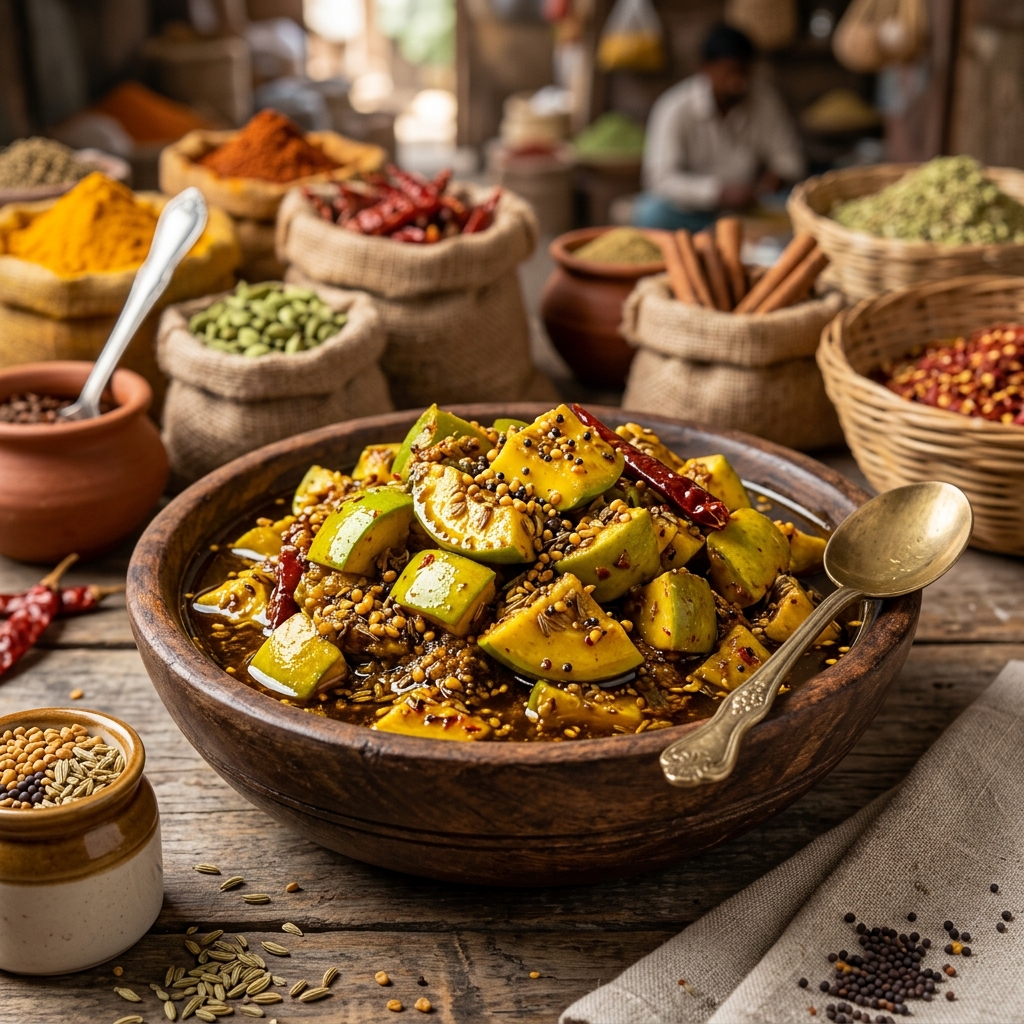
Mango Pickle
Why Choose Organic for Your Homemade Pickles?
When making pickles at home, the quality of your ingredients is paramount. Organic produce is grown without synthetic pesticides or fertilizers, which means you are starting with cleaner, purer vegetables and fruits. The absence of chemical residues not only ensures a healthier final product but often results in a more robust and authentic flavor profile.
Using organic ingredients also supports sustainable farming practices and promotes biodiversity. When you take the time to craft something by hand, starting with the best possible ingredients ensures that your efforts are rewarded with exceptional taste.
Buy now and taste the authentic tradition of Prayagraj!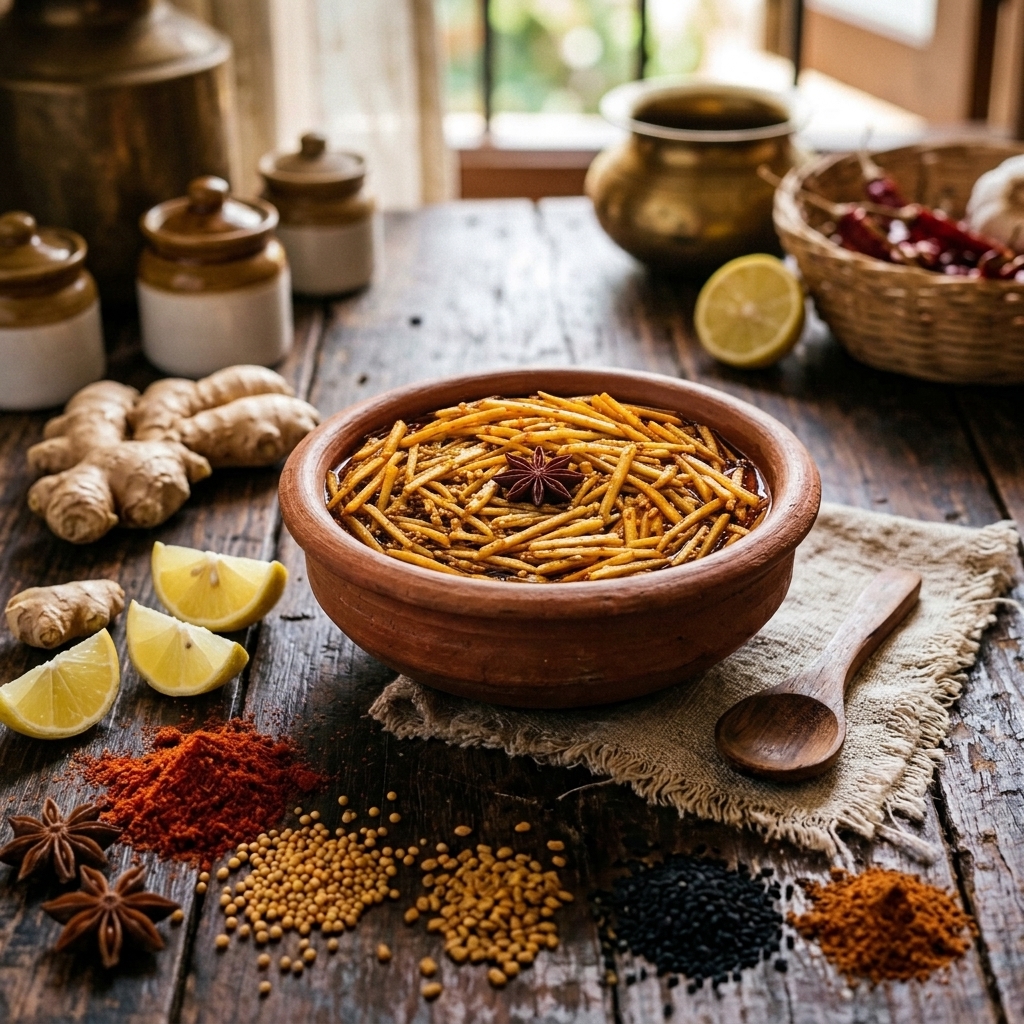
Ginger Pickle (Adrak Achar)
Essential Ingredients for Homemade Pickles
Before you begin, gather your essentials. The beauty of pickling lies in its versatility, but a few core components are non-negotiable:
- ✓The Produce: Whether it's mangoes, lemons, carrots, or green chilies, ensure your produce is fresh, firm, and free from blemishes. Overripe or bruised vegetables can lead to spoilage and affect the texture of your pickle.
- ✓The Spices: The heart and soul of any Indian pickle are its spices. Mustard seeds, fenugreek, fennel, turmeric, and red chili powder are staples. For the best flavor, buy whole organic spices and roast them lightly before grinding.
- ✓The Oil: Cold-pressed mustard oil is the traditional choice for Indian pickles due to its strong flavor and natural preservative qualities. Sesame oil is another excellent option. Ensure the oil is of high quality, as it plays a crucial role in preserving the pickle and carrying the flavors.
- ✓The Salt: Salt is vital not just for taste but for preservation. It draws out moisture from the produce, preventing bacterial growth. Use sea salt, rock salt (sendha namak), or kosher salt. Avoid iodized table salt, as it can make the pickling liquid cloudy and sometimes alter the taste.
Buy now and taste the authentic tradition of Prayagraj!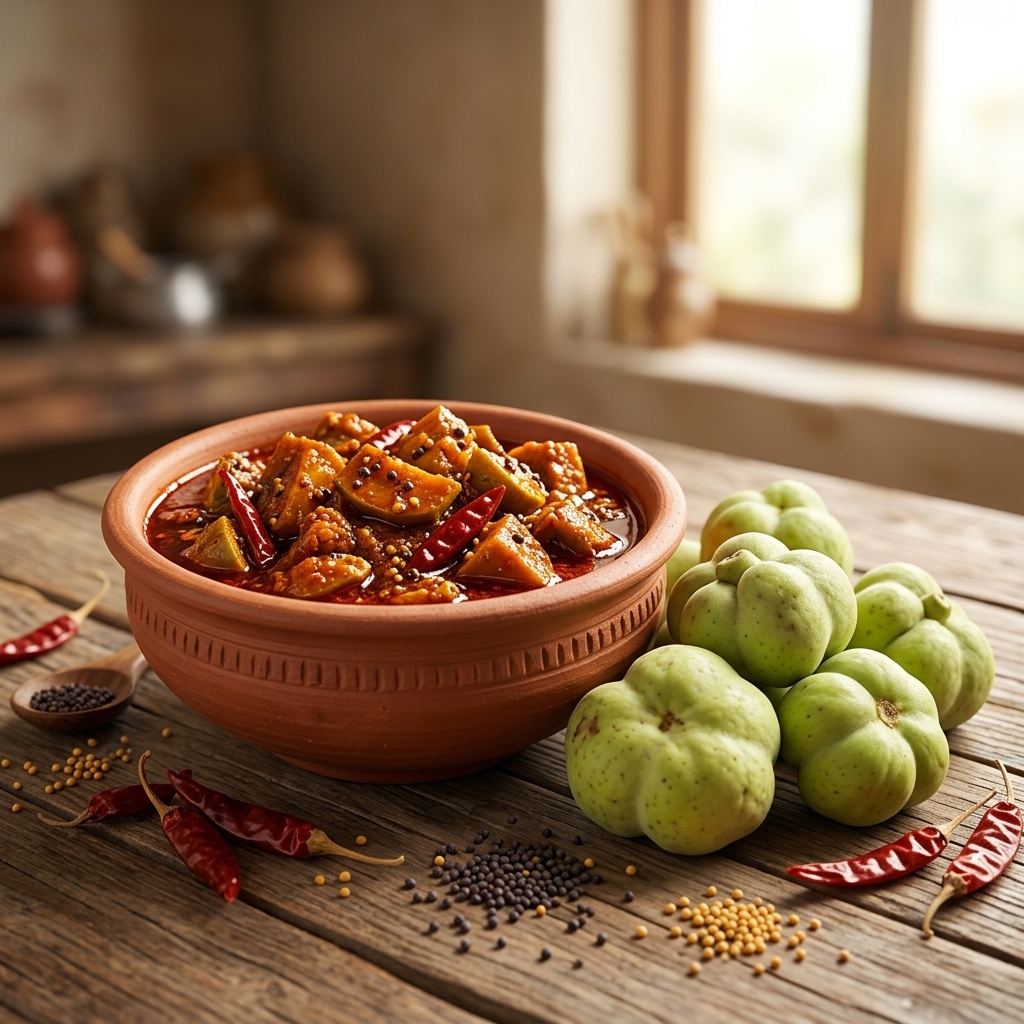
Badhar Pickle (Monkey Jackfruit)
Step-by-Step Guide to Making Organic Pickles
Step 1: Preparation and Cleaning
Hygiene is the most critical factor in pickling. Any moisture or dirt can introduce unwanted bacteria and spoil your entire batch.
- ✓Wash your hands thoroughly.
- ✓Wash your organic produce meticulously under running water.
- ✓Dry the produce completely using a clean kitchen towel. Even a drop of water can ruin the pickle. Spread them out on a dry cloth for a few hours to air dry completely.
- ✓Sterilize your glass jars. Boil them in water for about 10-15 minutes and let them air dry completely. Never use plastic containers for long-term pickling.
Buy now and taste the authentic tradition of Prayagraj!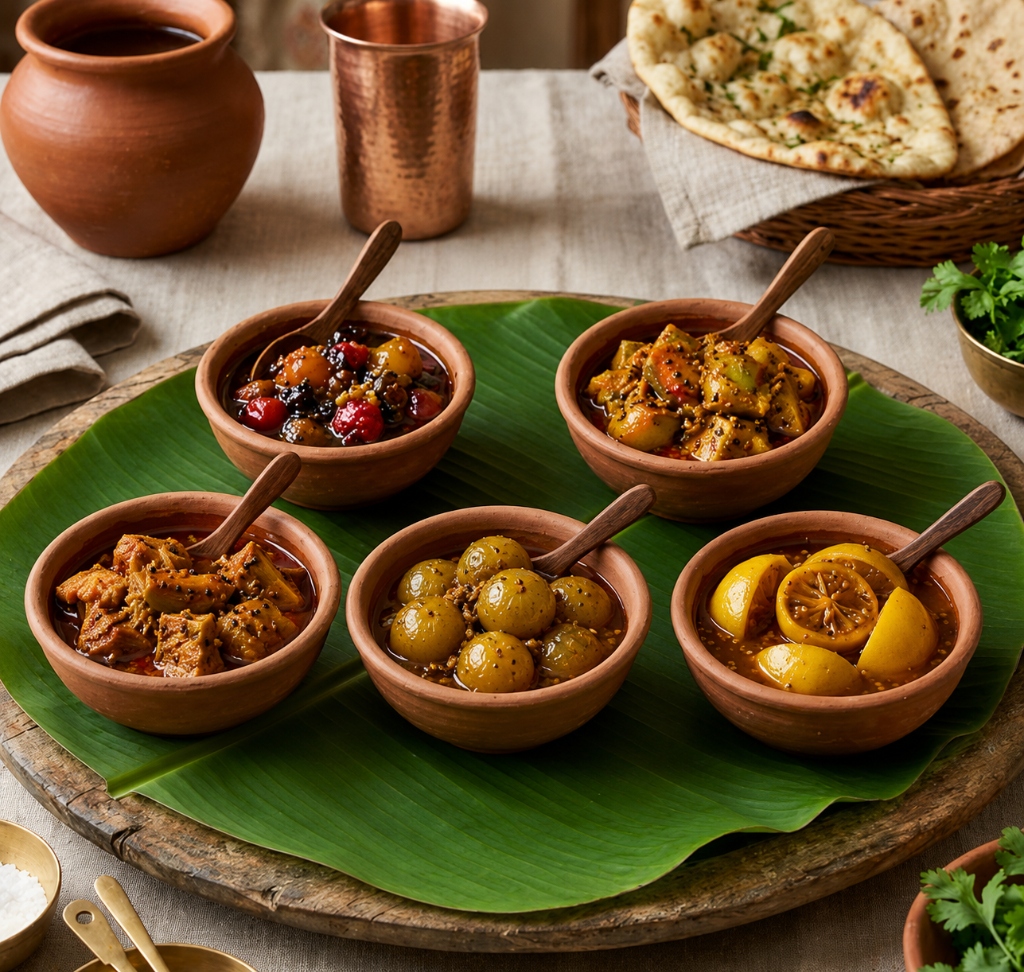
Swadam Pack (Grand Combo)
Step 2: Chopping and Salting
Cut your produce into uniform pieces. This ensures they marinate evenly. Place the chopped pieces in a large, clean, and dry glass or ceramic bowl. Add a generous amount of salt and a pinch of turmeric. Toss well, cover with a clean cloth, and leave it in the sun for a few days. This process draws out excess moisture. Drain the resulting liquid (or keep it if your specific recipe calls for it).
Step 3: Preparing the Spice Mix (Masala)
Buy now and taste the authentic tradition of Prayagraj!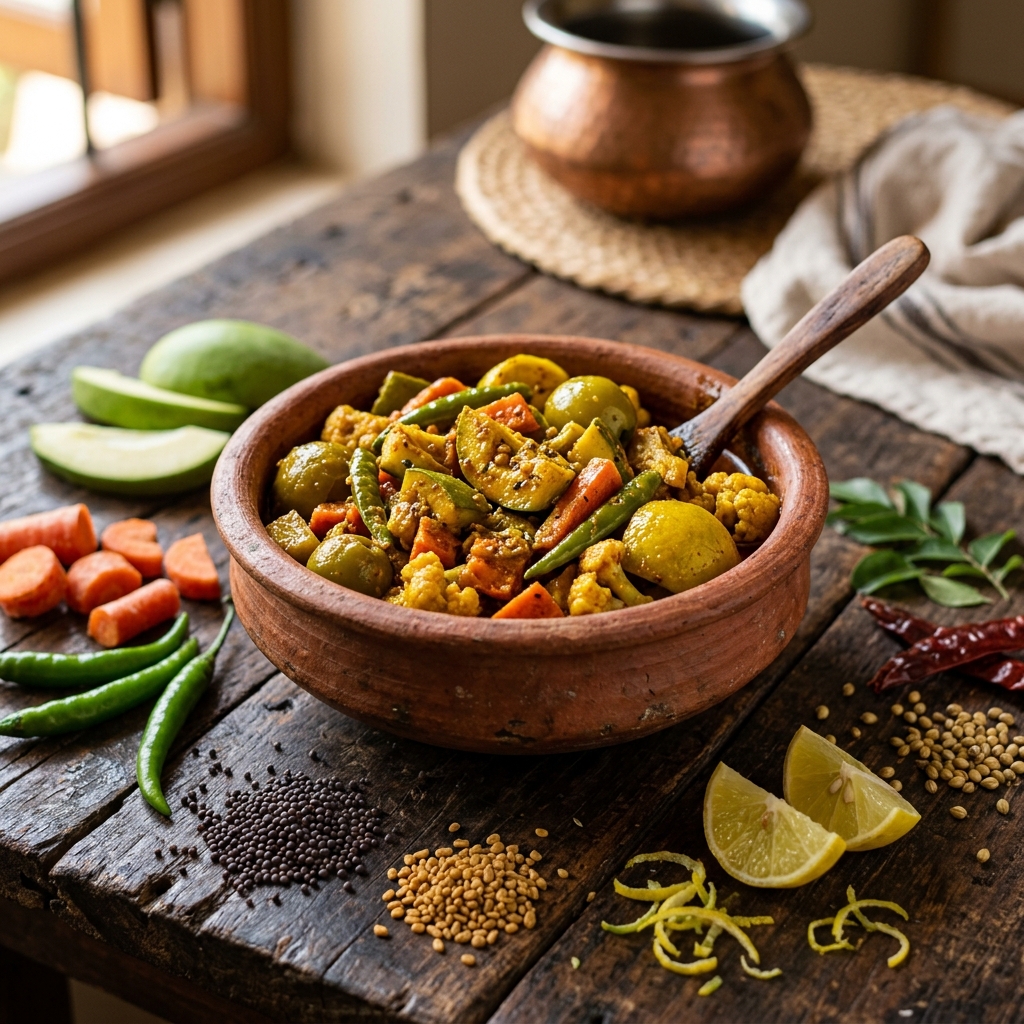
Banarasi Mix Pickle
Dry roast your whole spices on low heat until they release their aroma. Let them cool, then grind them into a coarse powder. Mixing fresh, aromatic spices is what gives traditional pickles their distinctive kick. Combine your freshly ground spices with red chili powder, a bit more turmeric, and any other specific spices your recipe requires.
Step 4: Tempering the Oil
Heat your mustard oil in a pan until it reaches the smoking point. This removes its raw pungency. Turn off the heat and let it cool down slightly. Add a pinch of asafoetida (hing) to the warm oil, followed by your prepared spice mix. Stir well to create a fragrant, seasoned oil.
Buy now and taste the authentic tradition of Prayagraj!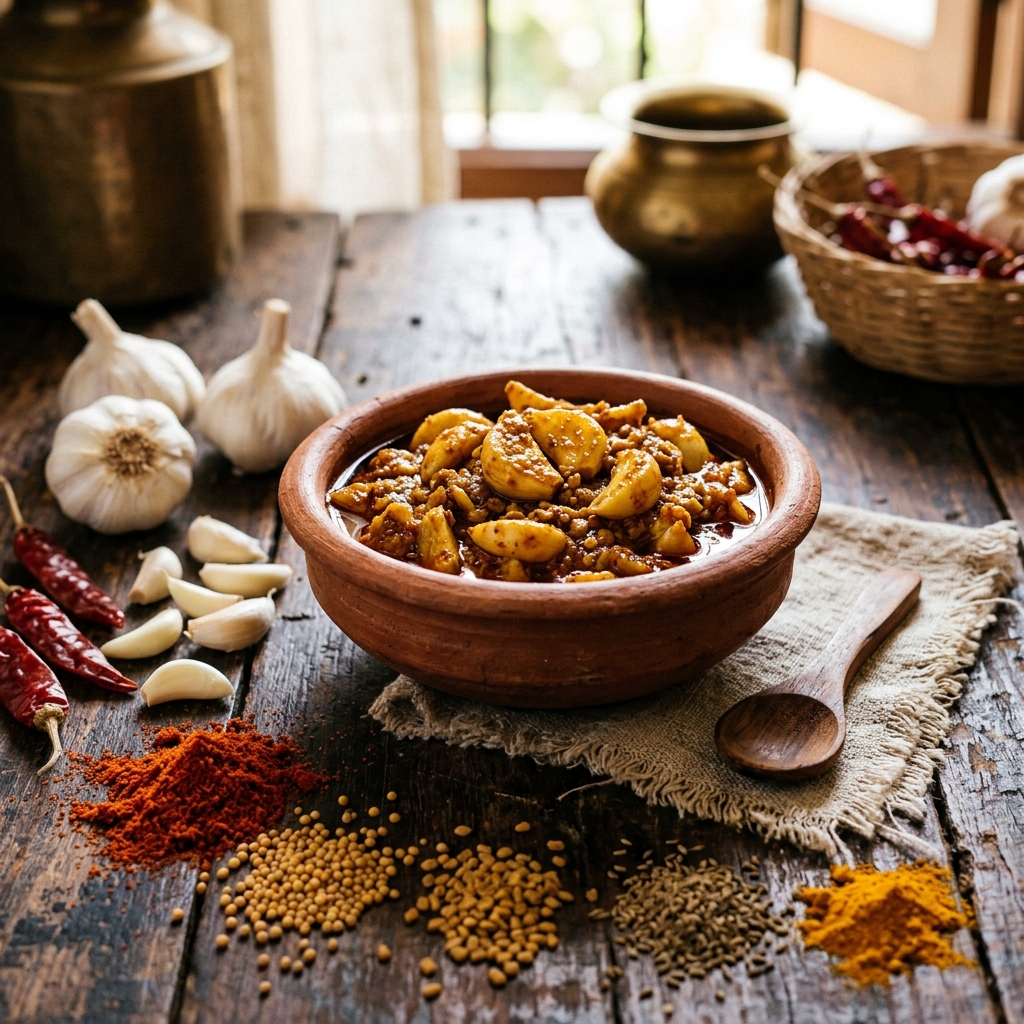
Garlic Pickle
Step 5: Mixing and Bottling
Pour the spiced oil over your dried produce. Mix thoroughly to ensure every piece is evenly coated with the masala and oil. Carefully transfer the mixture into your sterilized glass jars. Press down lightly to remove any air pockets. Ensure that a layer of oil floats on top of the pickle—this acts as a seal against air and bacteria.
Step 6: The Curing Process
Buy now and taste the authentic tradition of Prayagraj!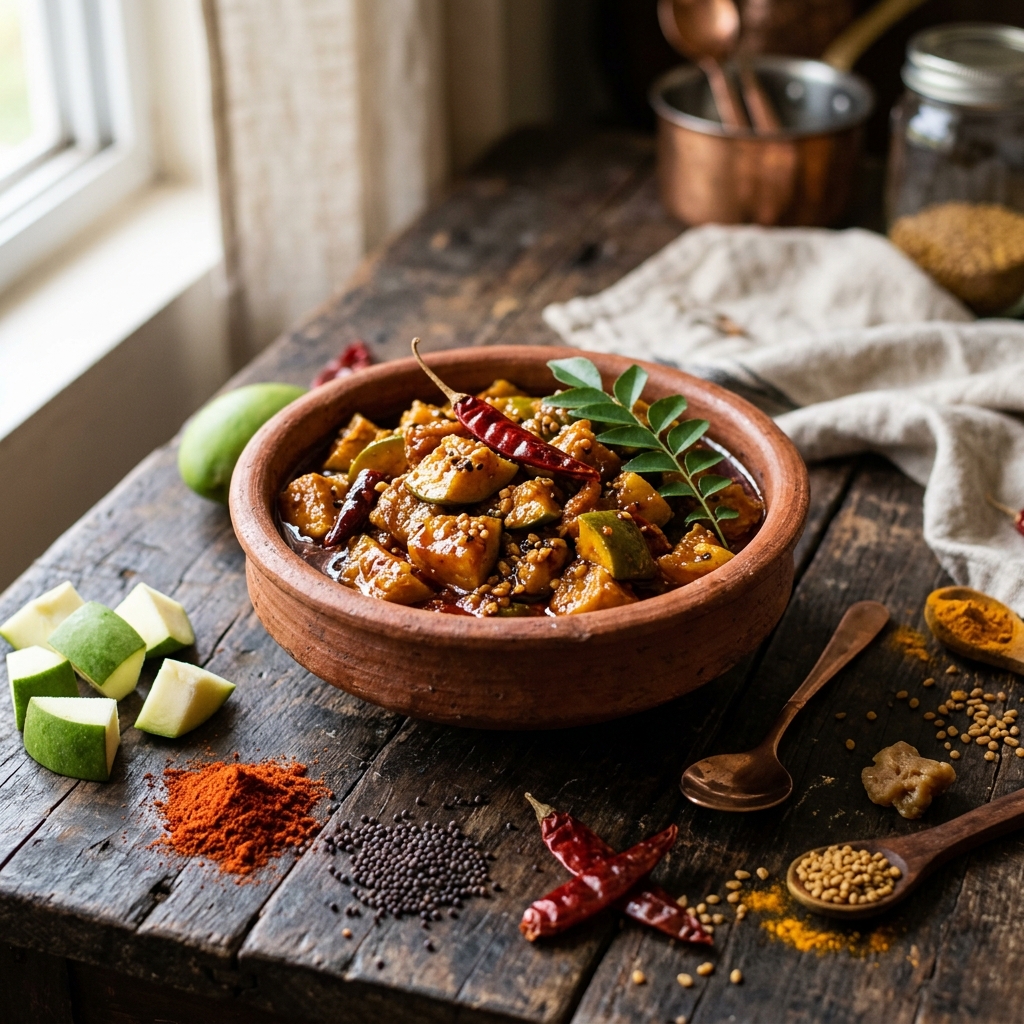
Teekha Meetha Mango Pickle
Cover the mouth of the jar with a clean muslin cloth and secure it with a rubber band before placing the lid loosely on top. Keep the jar in a warm, sunny spot for 1-2 weeks. The natural heat helps the spices permeate the produce and starts the fermentation process. Shake the jar gently every other day to keep the ingredients mixed and submerged in oil.
Tips for Long-Lasting Homemade Pickles
- ✓Never Use Wet Utensils: Always use a completely dry, clean spoon when scooping out pickles.
- ✓Maintain the Oil Level: If the oil level drops below the pickle pieces, heat some more oil, let it cool, and top up the jar.
- ✓Store in a Cool, Dark Place: Once the pickle has matured in the sun, move the jar to a cool, dark cupboard to preserve its flavor and color.
Buy now and taste the authentic tradition of Prayagraj!Mango Pickle
Conclusion
Making organic pickles at home is a rewarding, meditative process that connects you to generations of culinary tradition. The patience required to wash, chop, spice, and sun-cure your ingredients pays off in the form of a vibrant, mouth-watering condiment that you can proudly share with family and friends.
While making your own pickles is a wonderful experience, we know that life can get busy. If you are ever craving the authentic, traditional taste of homemade pickles without the wait, explore our wide range of carefully crafted products at Babaji Achar. We source the finest ingredients and follow time-honored recipes to bring the authentic taste of tradition straight to your table. Happy pickling!
Want to taste the tradition?
परंपरा का स्वाद लेना चाहते हैं?