Babaji Achar & Traditional Heritage Foods
100% Sun-Cured Mustard Oil Pickles & Heritage Recipes • Pan-India Delivery
Organic vs. Conventional Pickles: A Nutritional Comparison
Discover the nutritional differences between organic and conventional pickles. Learn why choosing organic, like the traditional pickles from Babaji Achar, might be the healthier choice for you and your family.
#1 Rated Pure Desi Ghee Sweets in Your City — Shipped Direct From Prayagraj!
2-3 Days Fast Express to Your City
Sealed moisture-proof delivery direct from Prayagraj heritage kitchens.
100% Zero Adulteration Guarantee
100% Pure Cow Desi Ghee & organic dry fruits. No palm oil or starch.
Authentic Prayagraj Taste
Slow-roasted heritage recipe untouched by factory preservatives.
When it comes to enjoying a tangy, flavorful addition to our meals, pickles have always been a staple in households around the world, especially in Indian cuisine. From parathas to rice dishes, a spoonful of pickle can elevate a simple meal into a feast. However, as consumers become more health-conscious and aware of what goes into their food, a significant debate has emerged: what is the real difference between organic and conventional pickles? More specifically, how do they compare nutritionally?
In this comprehensive guide, we will delve deep into the nutritional profiles of organic versus conventional pickles, exploring the ingredients, preservation methods, and the overall impact on your health. By the end of this article, you will understand why making the switch to organic options, such as the authentic offerings from Babaji Achar, can make a meaningful difference in your daily diet.
Understanding the Basics: What Makes a Pickle "Organic"?
Buy now and taste the authentic tradition of Prayagraj!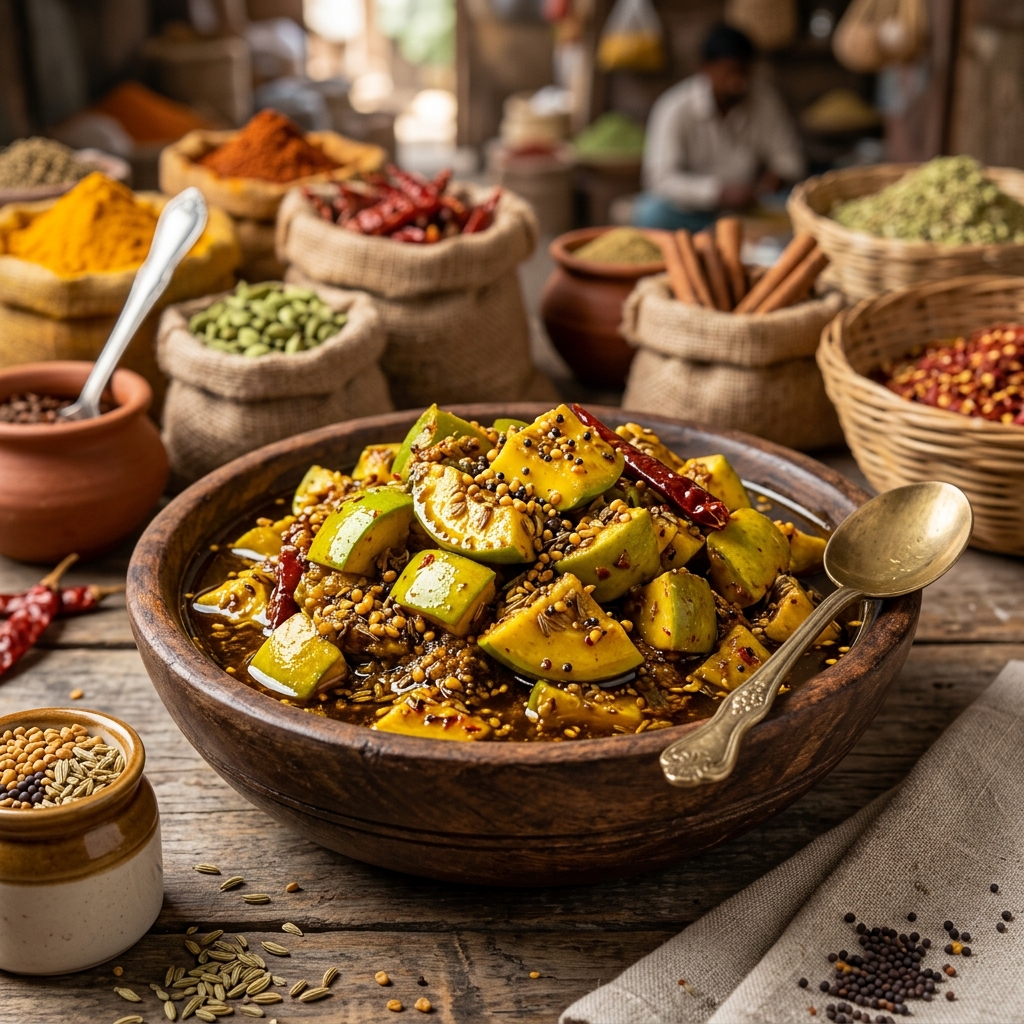
Mango Pickle
Before we compare their nutritional values, it is crucial to understand the fundamental differences in how organic and conventional pickles are produced.
Conventional Pickles are typically mass-produced. The fruits and vegetables used are often grown with synthetic fertilizers, pesticides, and herbicides. Furthermore, the pickling process in conventional methods frequently involves synthetic preservatives, artificial colors, firming agents, and refined oils to extend shelf life and maintain a uniform appearance.
Organic Pickles, on the other hand, are made using fruits and vegetables grown without synthetic agricultural chemicals. The farming practices prioritize soil health and biodiversity. When it comes to the pickling process, organic pickles rely on natural preservation methods—such as high-quality organic cold-pressed oils, natural sea salt or rock salt, and organic spices.
Buy now and taste the authentic tradition of Prayagraj!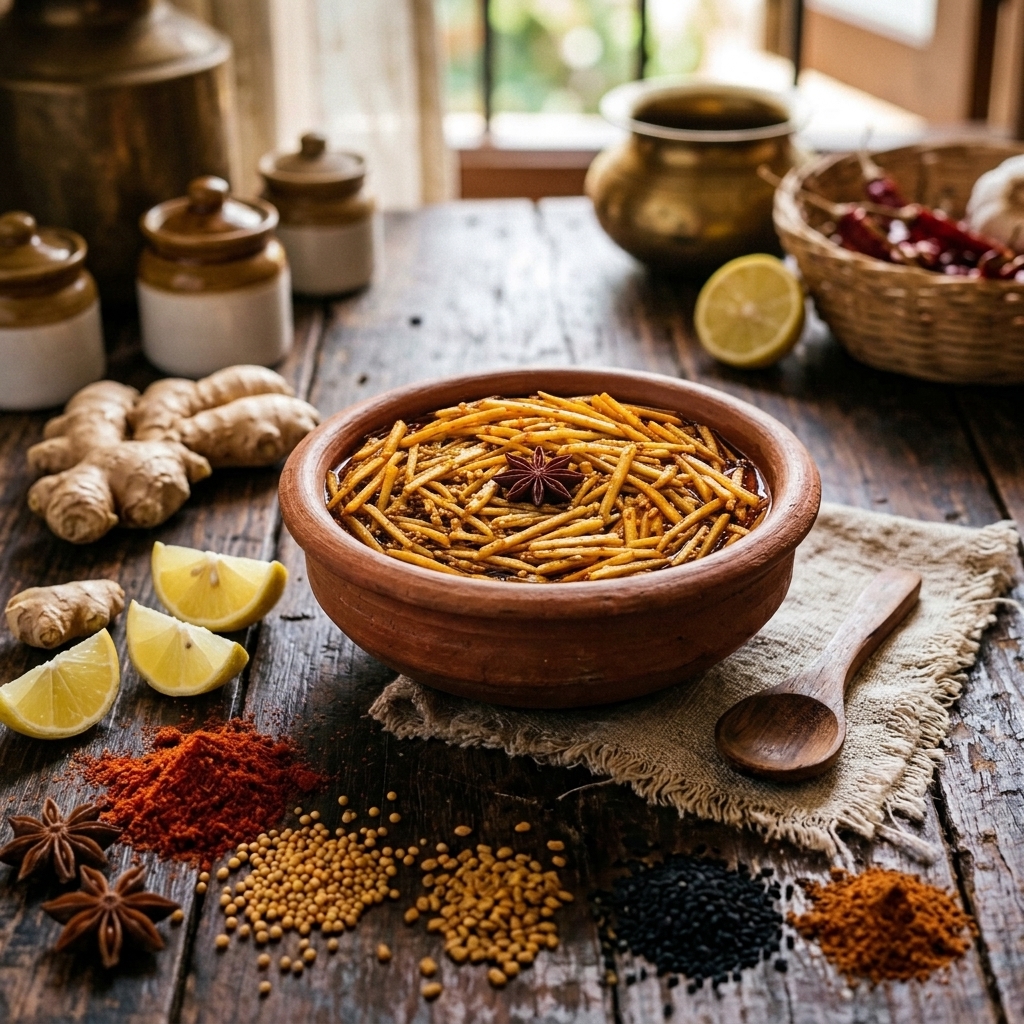
Ginger Pickle (Adrak Achar)
The Nutritional Comparison
When evaluating the nutritional benefits, the differences become quite apparent across several key areas.
1. Quality of Ingredients and Nutrient Retention
The base ingredients—whether mangoes, lemons, garlic, or mixed vegetables—are the primary source of nutrition in any pickle. Studies have shown that organic produce often contains higher levels of certain antioxidants, vitamins, and minerals compared to conventionally grown counterparts. This is because organic farming practices encourage the plants to produce more of their own natural defenses, which translate to antioxidants. Therefore, an organic pickle not only delivers better flavor but also a higher concentration of beneficial plant compounds.
Buy now and taste the authentic tradition of Prayagraj!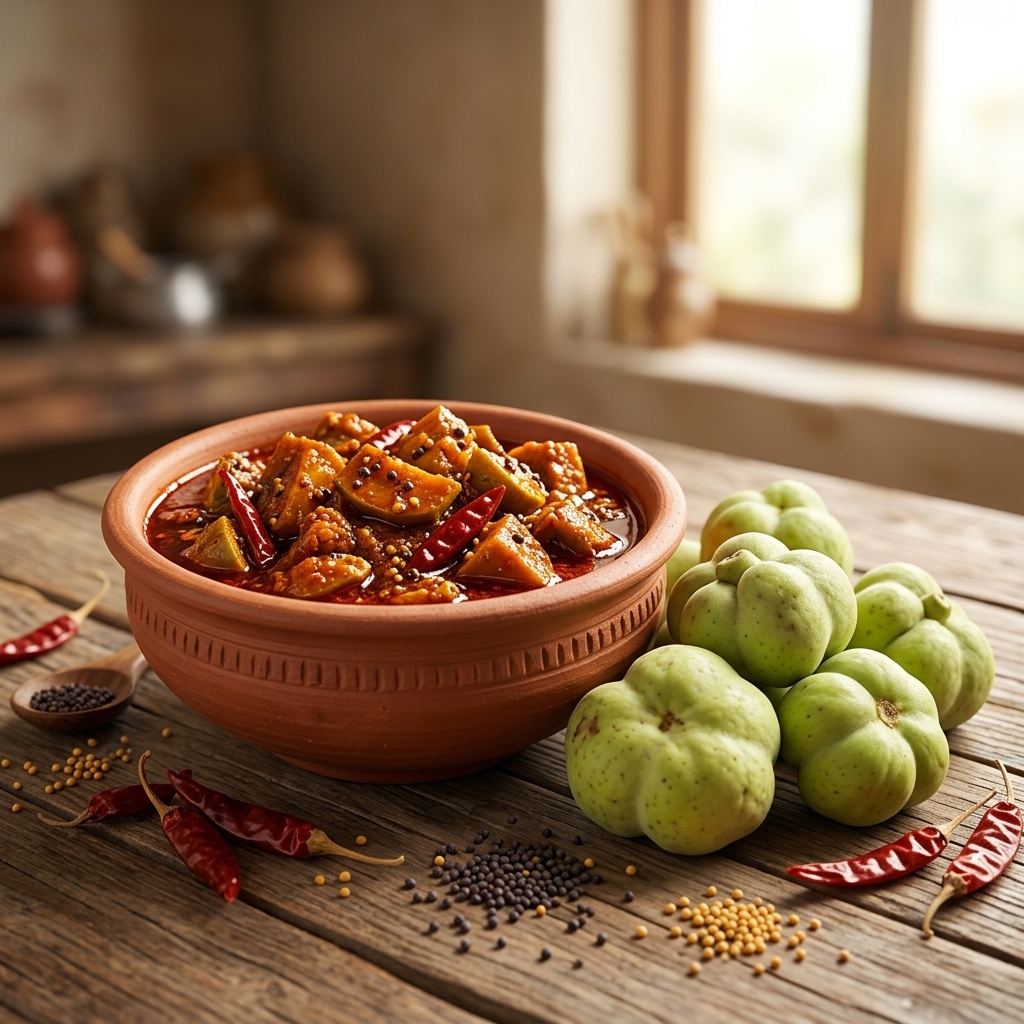
Badhar Pickle (Monkey Jackfruit)
2. The Role of Oils
In traditional Indian pickling, oil acts as a natural preservative and flavor enhancer.
- ✓Conventional Pickles: Often use refined, mass-produced oils (like refined sunflower, palm, or cottonseed oil). The refining process strips these oils of their natural nutrients and introduces harmful trans fats and free radicals.
- ✓Organic Pickles: Premium brands like Babaji Achar typically use cold-pressed organic oils, such as mustard oil or sesame oil. Cold-pressed oils retain their natural antioxidants, essential fatty acids (like Omega-3 and Omega-6), and fat-soluble vitamins (like Vitamin E). These healthy fats are crucial for heart health and help the body absorb the fat-soluble vitamins present in the pickling spices.
3. Salt Quality and Sodium Levels
Salt is essential for fermentation and preservation.
- ✓Conventional Pickles: Usually contain highly refined table salt, which is stripped of natural trace minerals and often contains anti-caking agents. They can also have excessively high sodium levels to compensate for the lack of natural flavor from poor-quality ingredients.
- ✓Organic Pickles: Tend to use unrefined salts like Himalayan pink salt, rock salt (sendha namak), or natural sea salt. These salts contain valuable trace minerals such as magnesium, potassium, and calcium, which help balance the sodium content and support electrolyte balance in the body.
4. Spices and Antioxidants
The spices used in pickles—turmeric, fenugreek, mustard seeds, and cumin—are nutritional powerhouses.
- ✓Conventional Pickles: May use irradiated spices or spice extracts that have lost much of their essential oils and medicinal properties during heavy processing.
- ✓Organic Pickles: Use pure, organically grown spices. These spices retain their full spectrum of essential oils, curcumin, and other phytonutrients, offering powerful anti-inflammatory, digestive, and immune-boosting benefits.
Buy now and taste the authentic tradition of Prayagraj!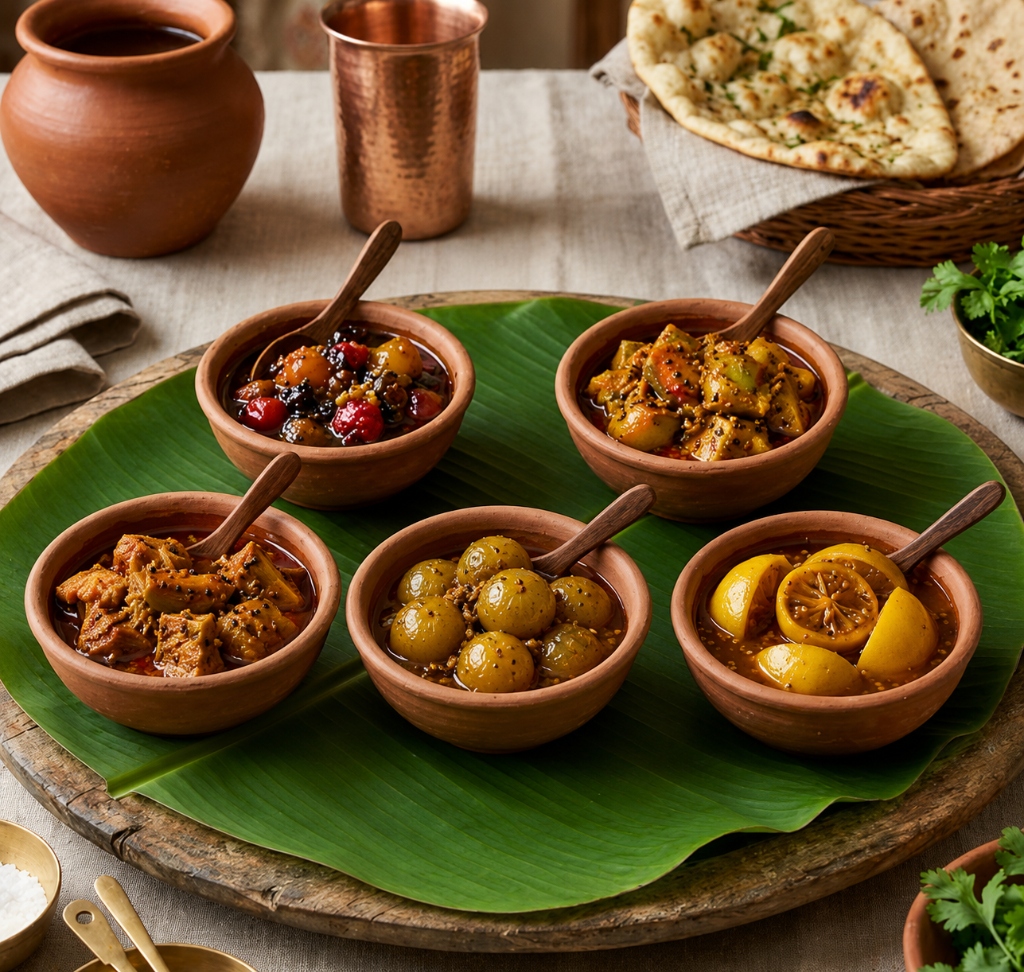
Swadam Pack (Grand Combo)
5. Absence of Harmful Additives
Perhaps the most significant nutritional advantage of organic pickles is what they do not contain. Conventional pickles often harbor synthetic preservatives (like Sodium Benzoate or Potassium Sorbate), artificial colors to make the pickle look brighter, and synthetic firming agents. Regular consumption of these chemical additives has been linked to various health issues, including digestive distress and allergic reactions.
Organic pickles are free from these artificial additives. They rely on the natural preservative qualities of oil, salt, and spices, alongside time-honored traditional recipes, ensuring that your body processes natural, whole foods rather than synthetic chemicals.
Gut Health and Probiotics
Buy now and taste the authentic tradition of Prayagraj!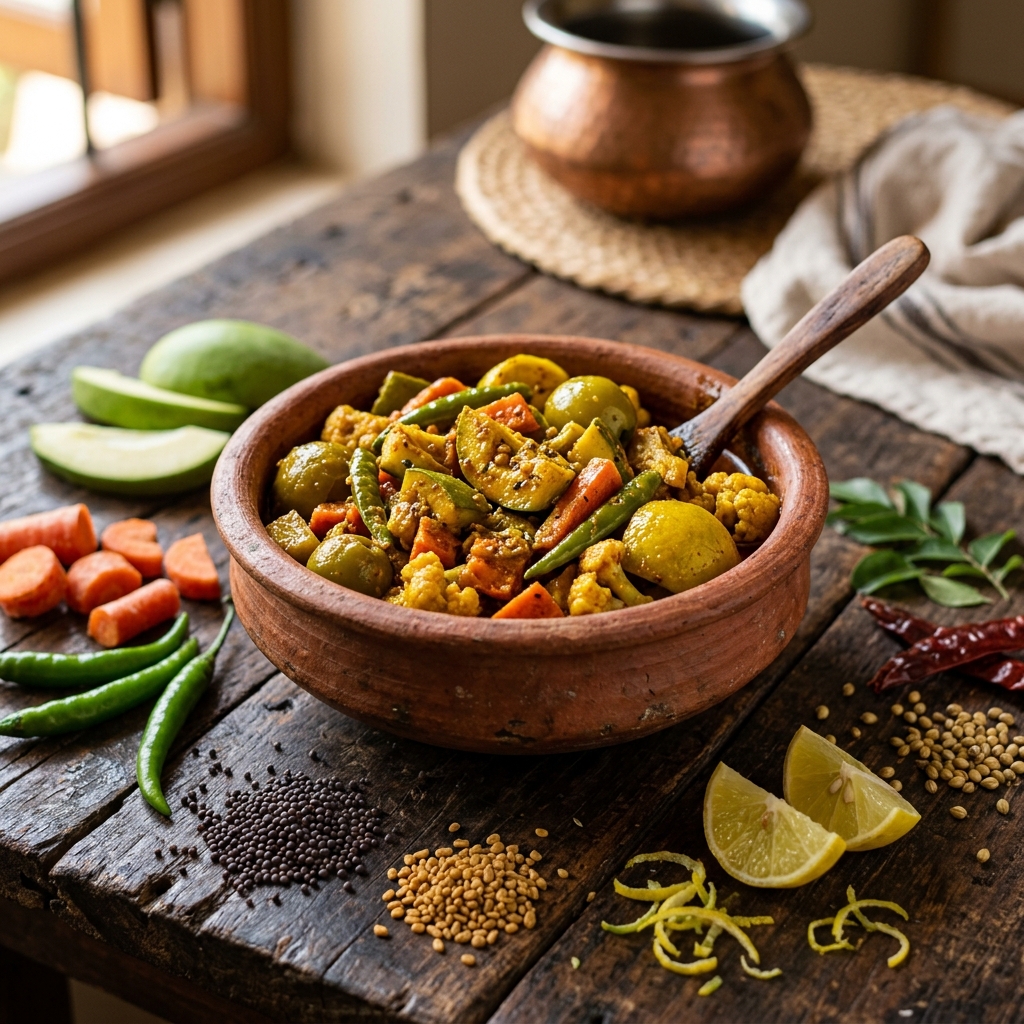
Banarasi Mix Pickle
Traditional pickling methods, especially those involving natural fermentation, are incredible for gut health. Natural fermentation produces beneficial bacteria (probiotics) that aid digestion and boost the immune system. While mass-produced conventional pickles are often pasteurized—a process that kills all bacteria, including the good ones—many organic and artisanal pickles are made using traditional, unpasteurized methods, preserving their probiotic goodness.
Why Choose Babaji Achar?
At Babaji Achar, the philosophy is deeply rooted in tradition, purity, and health. Choosing our pickles means you are opting for a product made with the utmost care, utilizing high-quality ingredients, pure spices, and traditional methods passed down through generations. Our commitment to authentic flavors ensures that you receive not only a delicious accompaniment to your meals but also a product that respects your health and nutritional needs.
Buy now and taste the authentic tradition of Prayagraj!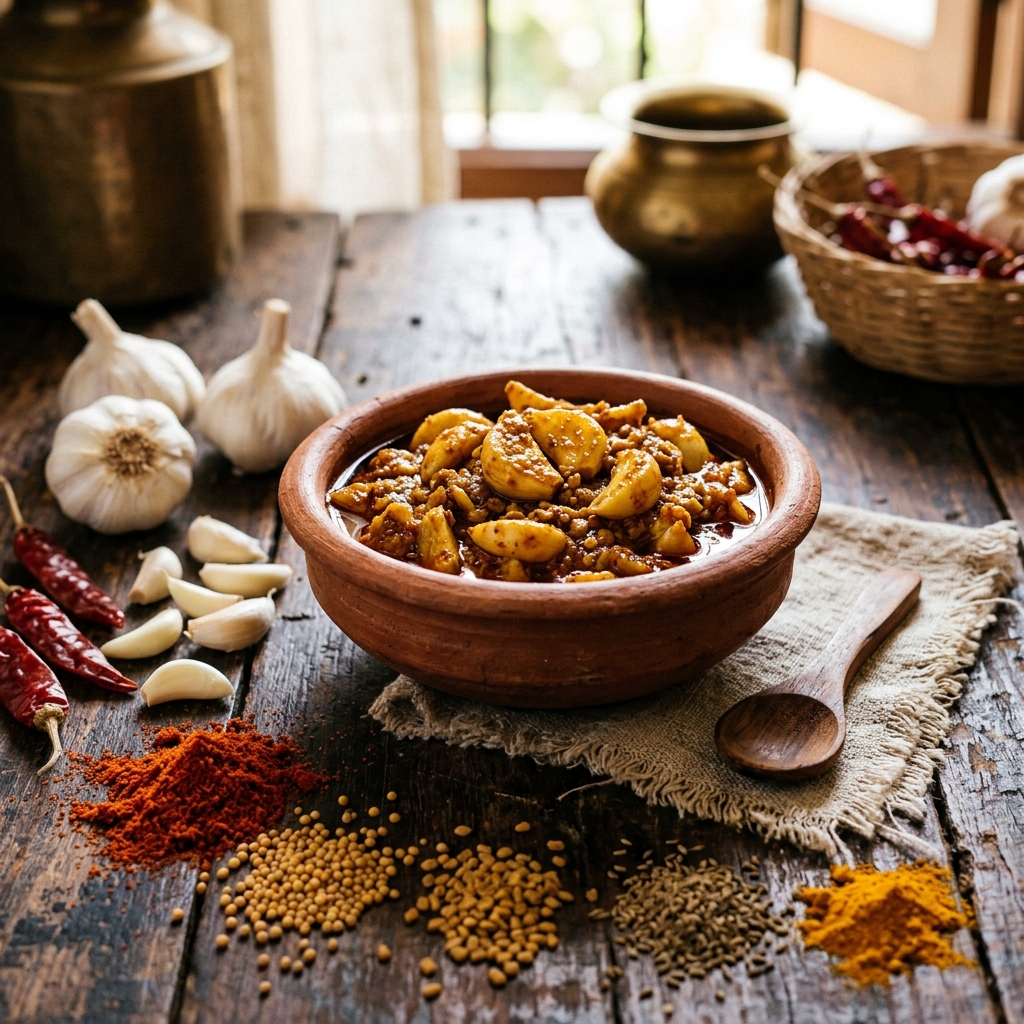
Garlic Pickle
Conclusion
The debate between organic and conventional pickles goes far beyond mere buzzwords. Nutritionally, organic pickles offer superior ingredient quality, healthier fats from cold-pressed oils, mineral-rich salts, and a complete absence of harmful synthetic chemical additives. They provide a richer source of antioxidants and preserve the traditional health benefits that pickles were originally meant to offer.
By choosing organic, traditional pickles, you are making a conscious decision to nourish your body with wholesome, natural ingredients. Make the healthier choice today and explore the rich, authentic, and nutritionally superior range of pickles at Babaji Achar. Your taste buds—and your health—will thank you.
Want to taste the tradition?
परंपरा का स्वाद लेना चाहते हैं?