Babaji Achar & Traditional Heritage Foods
100% Sun-Cured Mustard Oil Pickles & Heritage Recipes • Pan-India Delivery
Organic vs. Natural Food Labels for Pickles: What You Need to Know
Uncover the differences between organic and natural food labels when choosing your favorite pickles. Learn how to make informed and healthy choices.
#1 Rated Pure Desi Ghee Sweets in Your City — Shipped Direct From Prayagraj!
2-3 Days Fast Express to Your City
Sealed moisture-proof delivery direct from Prayagraj heritage kitchens.
100% Zero Adulteration Guarantee
100% Pure Cow Desi Ghee & organic dry fruits. No palm oil or starch.
Authentic Prayagraj Taste
Slow-roasted heritage recipe untouched by factory preservatives.
Organic vs. Natural Food Labels for Pickles: What You Need to Know
When you walk down the grocery store aisle or browse online for your favorite pickles, you are likely bombarded with a variety of labels making grand promises. Among the most common—and arguably the most confusing—are the terms “organic” and “natural.” While these buzzwords are frequently used interchangeably by consumers, they carry vastly different meanings, especially when it comes to regulating how foods are grown, processed, and packaged.
If you are a pickle enthusiast who values both flavor and health, understanding the distinction between organic and natural food labels is crucial. In this comprehensive guide, we will break down what these labels truly mean, how they apply to the production of pickles, and why making an informed choice can elevate your dining experience while supporting your well-being.
Buy now and taste the authentic tradition of Prayagraj!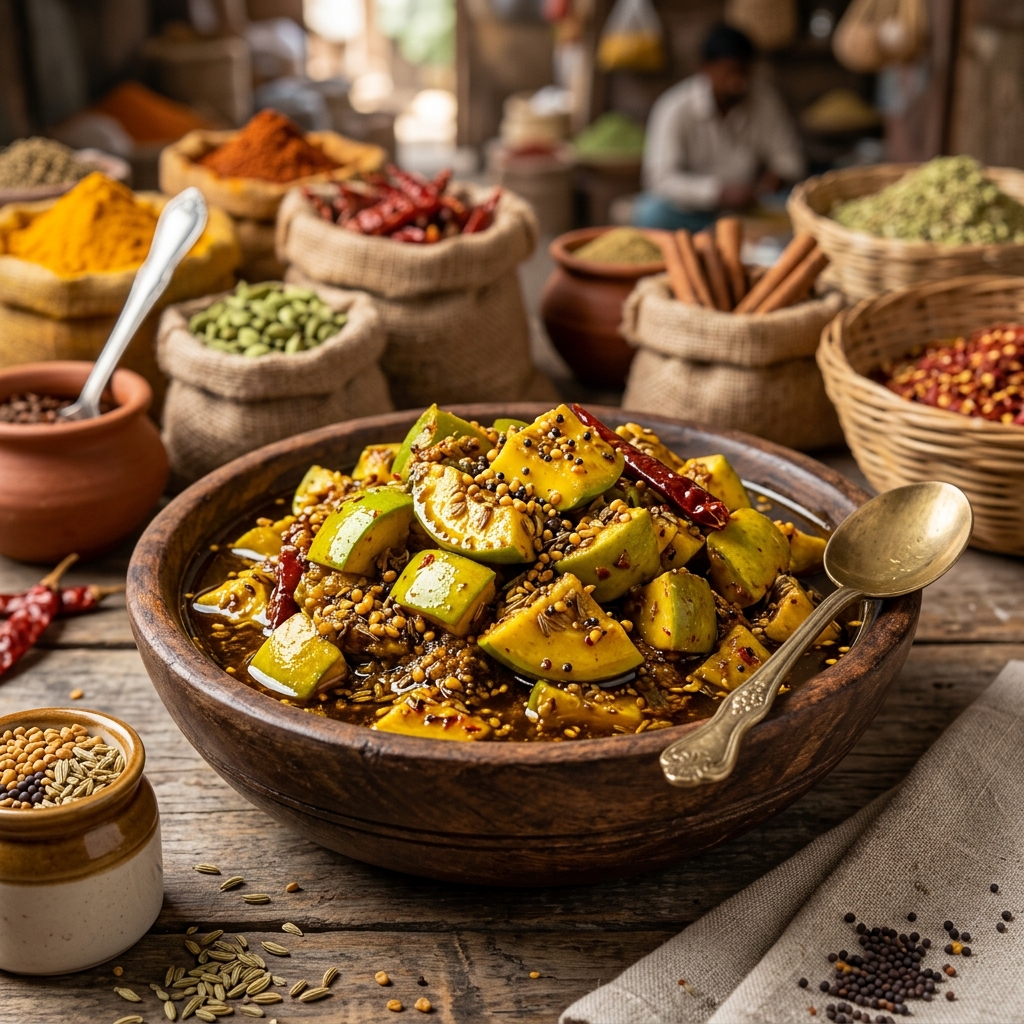
Mango Pickle
The True Meaning of "Organic"
The term "organic" is heavily regulated and strictly defined by agricultural authorities and food safety organizations worldwide. When a jar of pickles bears an official organic seal, it serves as a guarantee that the ingredients were produced following rigorous standards.
1. Strict Farming Practices
For cucumbers, mangoes, lemons, or any other primary pickle ingredients to be certified organic, they must be grown without the use of synthetic pesticides, chemical fertilizers, or genetically modified organisms (GMOs). Organic farming relies on natural methods like crop rotation, composting, and biological pest control to maintain soil fertility and protect crops.
Buy now and taste the authentic tradition of Prayagraj!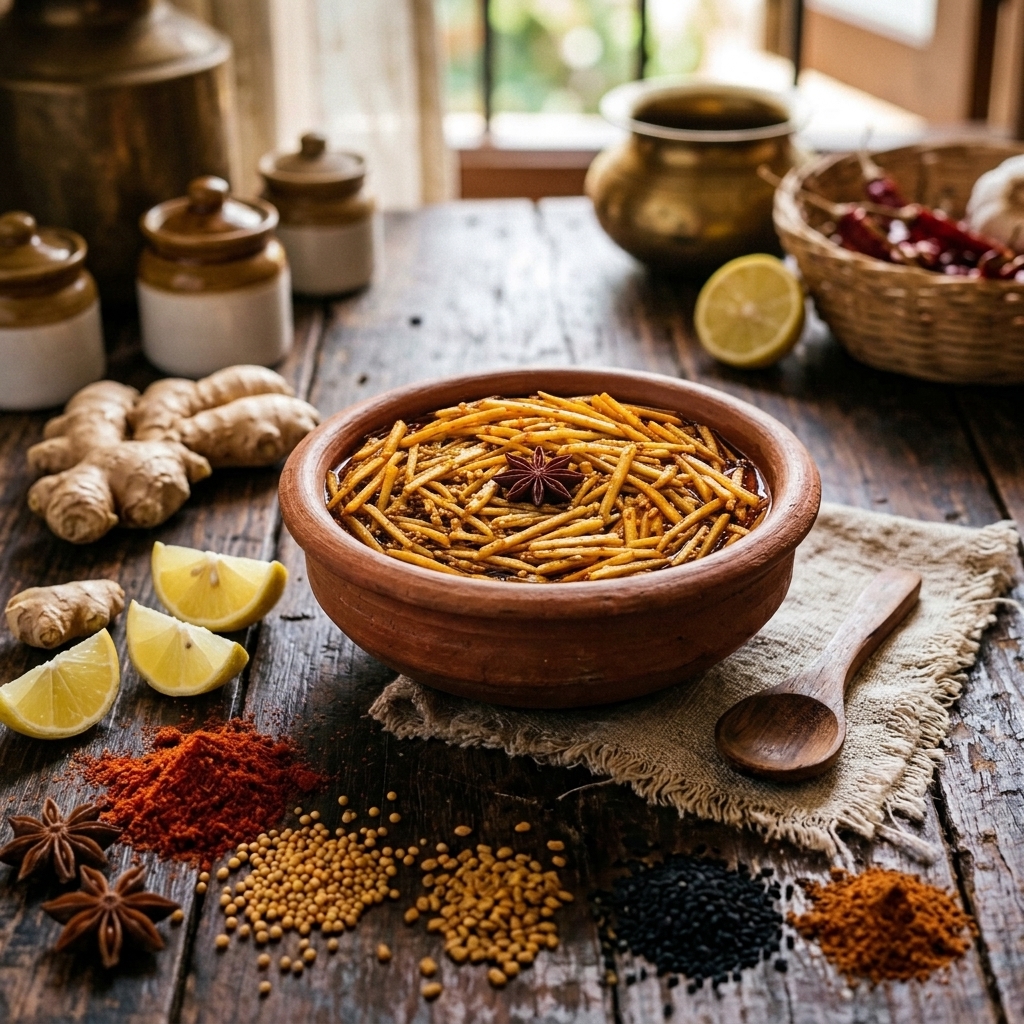
Ginger Pickle (Adrak Achar)
2. No Artificial Additives
During the pickling process, organic standards prohibit the addition of artificial preservatives, synthetic colors, and artificial flavors. The spices, oils, and vinegars used must also be certified organic. This ensures that the final product is as close to its natural state as possible, free from the chemical cocktails often found in conventional processing.
3. Environmental Sustainability
Choosing organic pickles is not just about personal health; it is also an environmental choice. Organic farming practices are designed to conserve water, reduce pollution, and promote a self-sustaining cycle of resources on a farm. By opting for organic, you are supporting agricultural methods that are kinder to the planet.
Deciphering the "Natural" Label
Buy now and taste the authentic tradition of Prayagraj!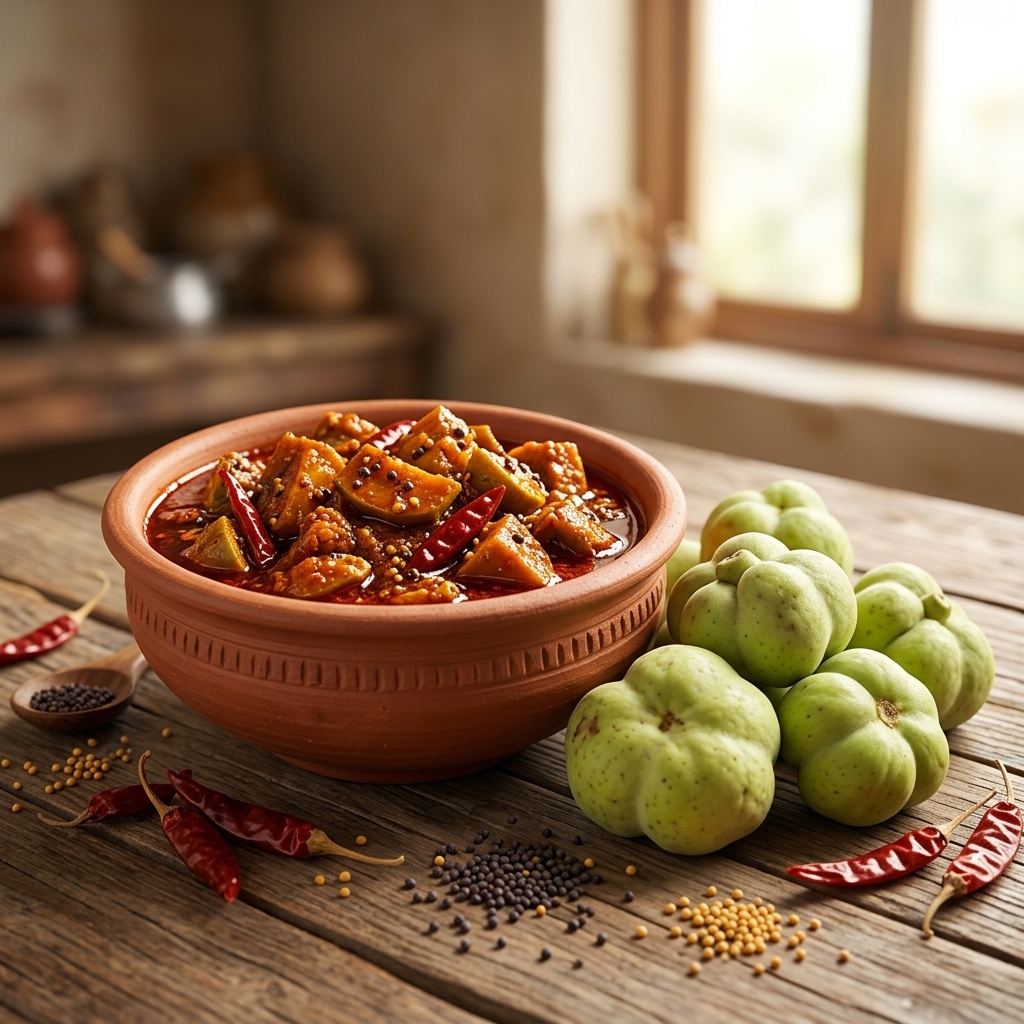
Badhar Pickle (Monkey Jackfruit)
Unlike the "organic" label, the term "natural" is much more ambiguous and subject to varying interpretations. While it implies a wholesome product, it lacks the strict, legally binding definitions that govern organic certification.
1. Lack of Standardized Regulation
In many regions, food regulatory bodies do not have a formal definition for the word "natural." Generally, it means that the product does not contain added colors, artificial flavors, or synthetic substances. However, this definition does not extend to how the raw ingredients were grown.
2. Farming Practices Are Not Covered
A jar of pickles labeled "natural" might be free of artificial dyes and chemical preservatives, but the cucumbers or mangoes used could still have been grown using conventional synthetic pesticides and fertilizers. The label primarily focuses on the processing of the food rather than the agricultural practices behind it.
Buy now and taste the authentic tradition of Prayagraj!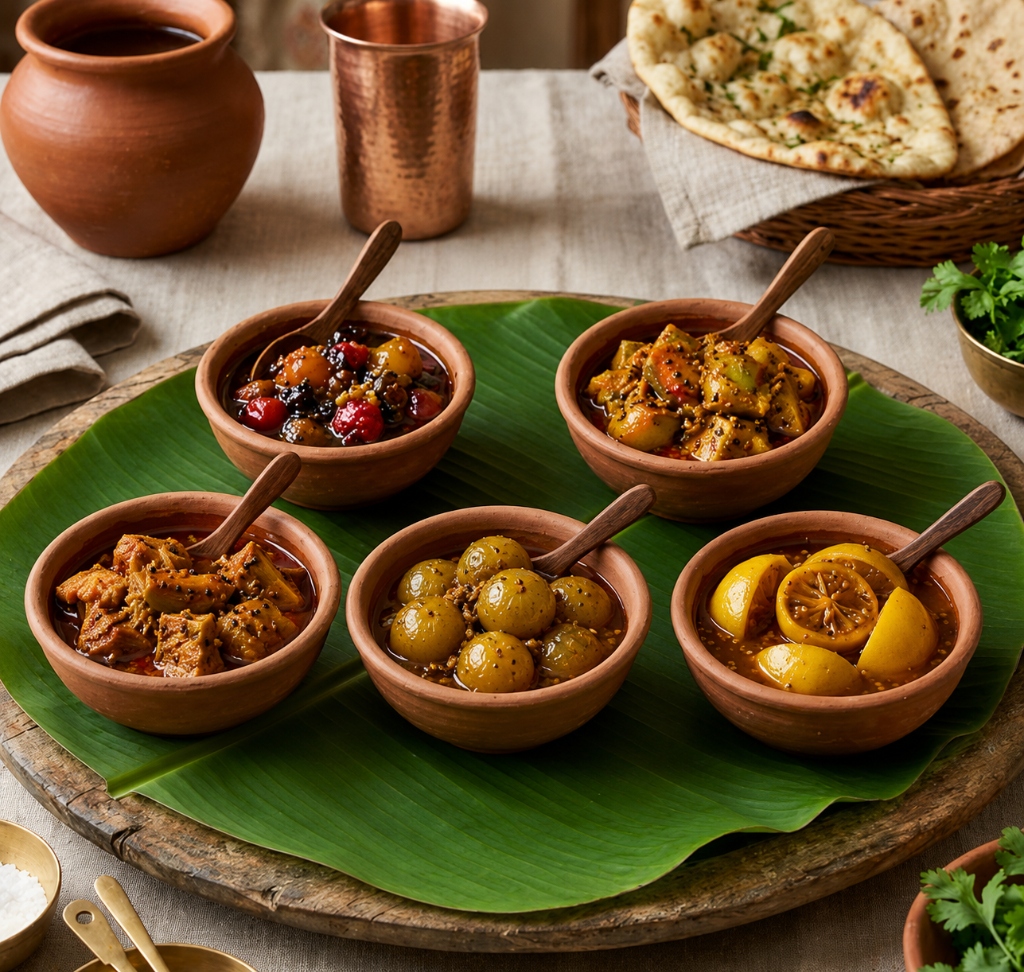
Swadam Pack (Grand Combo)
3. Processing Nuances
While natural products are supposed to be minimally processed, the definition of "minimal" can be quite broad. Some natural pickles might still undergo significant processing or contain high levels of refined salts and sugars that do not align with strict health-conscious diets.
Comparing the Two: Which is Better for Your Pickles?
When deciding between organic and natural pickles, it ultimately comes down to your personal priorities, dietary requirements, and budget. Here is a quick comparison to help you choose:
Buy now and taste the authentic tradition of Prayagraj!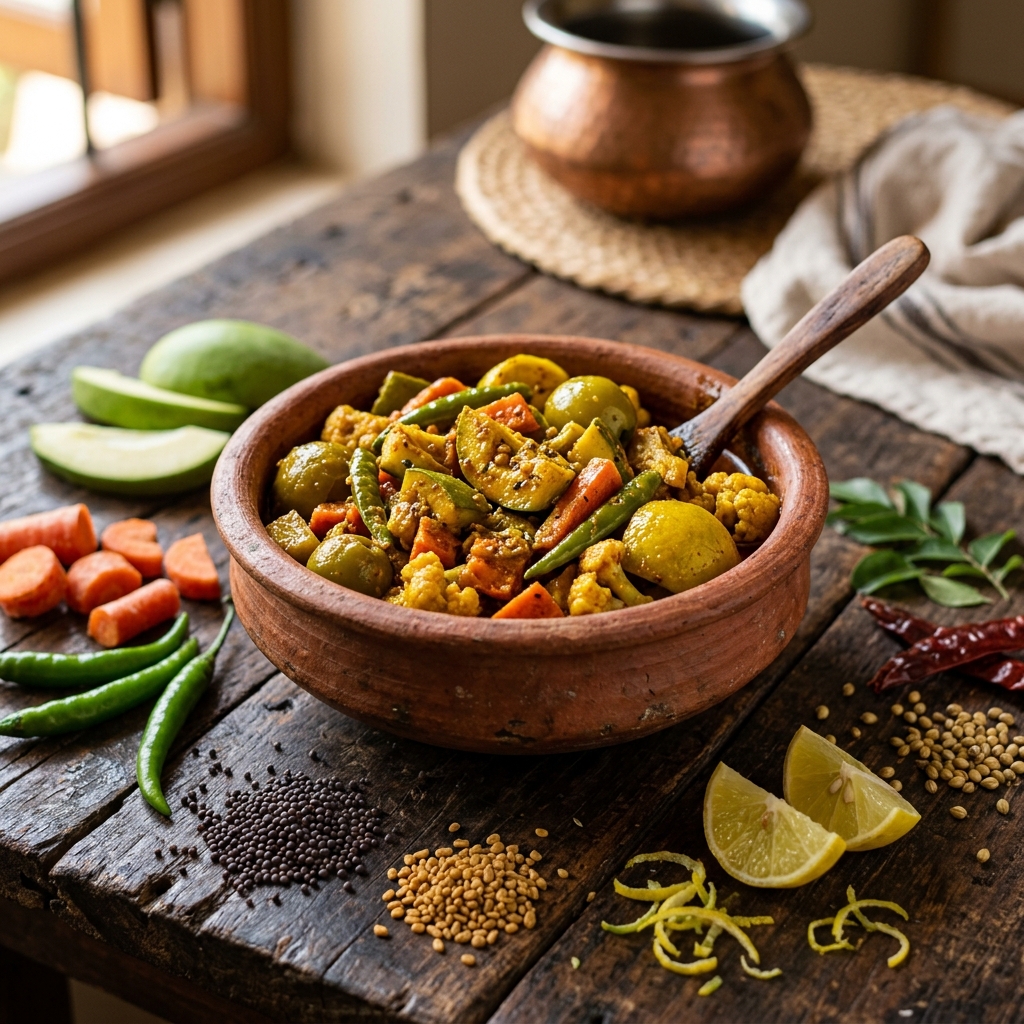
Banarasi Mix Pickle
- ✓Pesticide Exposure: If minimizing your exposure to synthetic pesticides and chemicals is a top priority, organic is the clear winner. Natural labels offer no guarantees regarding how the crops were cultivated.
- ✓Ingredient Transparency: Organic certification requires full transparency and traceability from the farm to the jar. Natural labels leave more room for ambiguity.
- ✓Environmental Impact: Organic farming is inherently designed to be sustainable and eco-friendly. The natural label does not guarantee any environmentally conscious farming practices.
- ✓Price Point: Because of the rigorous certification process and specialized farming techniques, organic pickles often come with a higher price tag. Natural pickles can be more budget-friendly while still avoiding artificial additives in the final product.
Quality You Can Trust
At Babaji Achar, we understand the importance of quality ingredients and traditional preparation methods. We believe that a great pickle starts with exceptional produce and authentic spices, crafted with care to bring you the rich, nostalgic flavors you love. When navigating the world of food labeling, finding a brand that you can trust for its commitment to hygiene and flavor is just as important as the label itself.
Buy now and taste the authentic tradition of Prayagraj!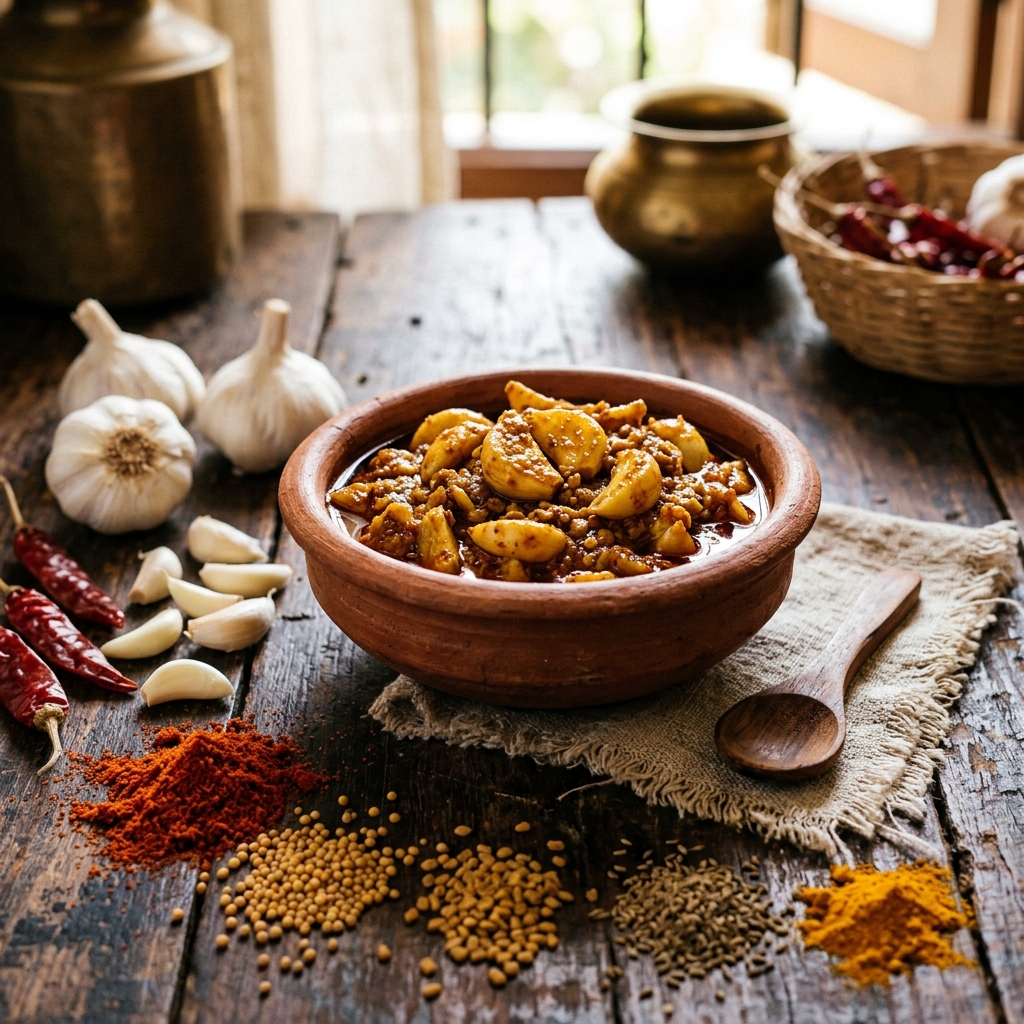
Garlic Pickle
Whether you are navigating the complex world of food labels or simply looking for a delicious accompaniment to your meals, being informed empowers you to make choices that align with your lifestyle. Reading the ingredient list, understanding the source of your food, and recognizing the difference between marketing terms and regulated certifications are key steps in becoming a savvy consumer.
The Bottom Line
Both organic and natural labels signify a step away from heavily processed, artificial foods. However, if you are seeking a guarantee of sustainable farming, zero synthetic chemicals, and rigorous standards from seed to jar, organic is the definitive standard. The "natural" label, while a positive indicator of minimal processing, requires a closer look at the ingredient list to truly understand what you are consuming.
Buy now and taste the authentic tradition of Prayagraj!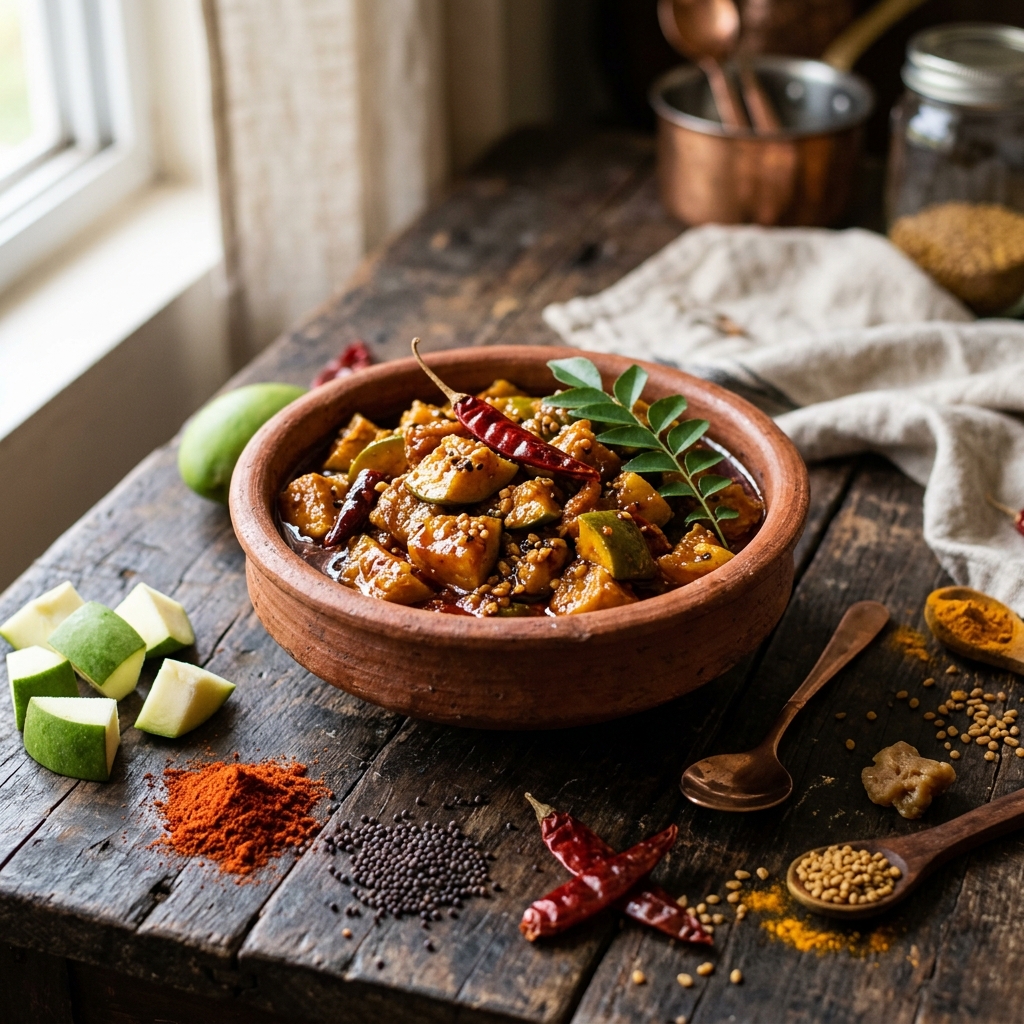
Teekha Meetha Mango Pickle
Next time you are shopping for your favorite tangy treat, take a moment to look beyond the front label. By understanding the distinction between organic and natural, you can better appreciate the care and craft that goes into producing high-quality pickles. Your taste buds and your health will thank you for making an informed, mindful choice.
Want to taste the tradition?
परंपरा का स्वाद लेना चाहते हैं?